
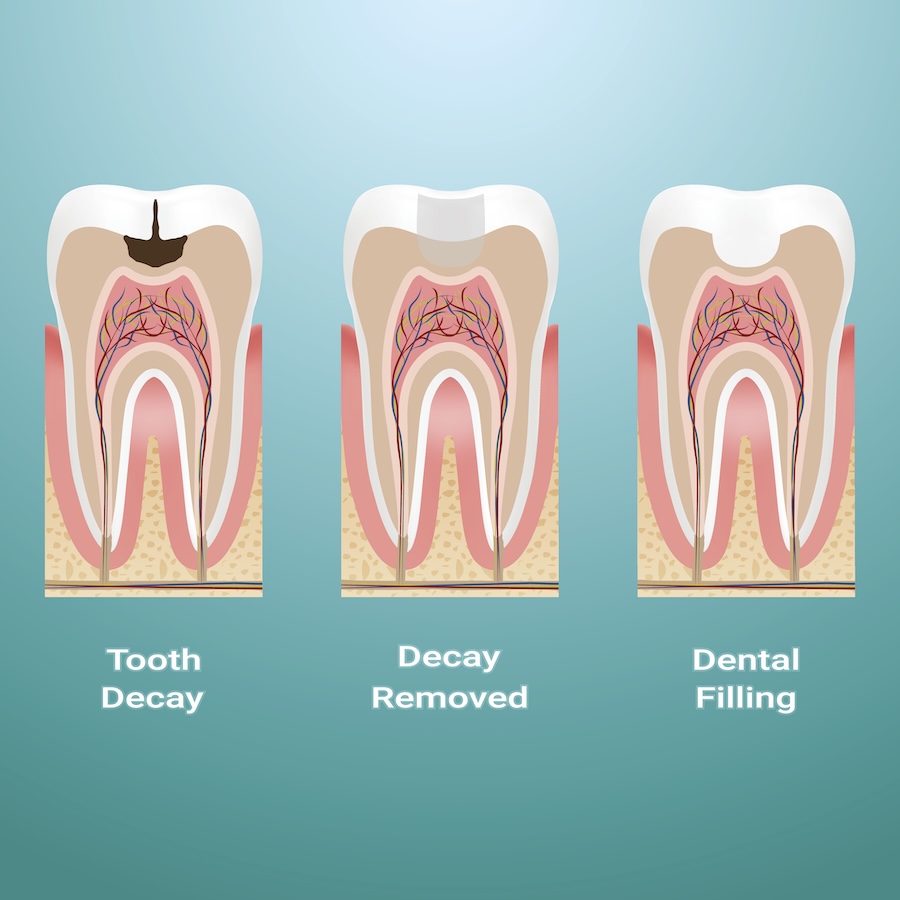
Most people do not get excited about hearing they need a filling, but catching a cavity early is usually the easier version of the problem. Maybe you felt a quick zing when you drank something cold. Maybe food keeps catching in the same spot. Or maybe your dentist saw a small area of decay before you had any symptoms at all. Since the tooth may still feel mostly normal, it can be easy to wonder whether a filling is really needed yet.
Dental fillings repair areas of tooth structure damaged by decay, small fractures, wear, or minor chips. They help seal the tooth, restore its shape, and keep the damage from spreading deeper. However, not every sensitive tooth needs a filling, and not every cavity hurts right away. That is why an exam helps before guessing what the tooth needs.
At Milltown Family Dentistry in Carrboro, NC, Dr. Ben Lambeth, Dr. Megumi Lambeth, and the team can check the tooth, take X-rays if needed, and explain whether a filling is the right next step. If you have a dark spot, rough edge, new sensitivity, or pain when chewing, getting it checked early can help keep the repair more straightforward.
What Is a Dental Filling?
A dental filling is a repair for a tooth that has lost healthy structure. Most often, fillings are used to treat cavities. The decayed part of the tooth is removed, the area is cleaned, and then a filling material is placed to restore the tooth’s shape and function.
Fillings can also repair small chips, worn areas, or minor fractures. For example, if a small piece of enamel breaks off and leaves a rough edge, a filling may smooth and rebuild the area. If tooth wear has exposed a sensitive spot near the gumline, a filling may help protect it.
Many modern fillings are tooth-colored, which means they can blend with the surrounding enamel. However, the best material depends on the size of the cavity, the location of the tooth, bite pressure, and your overall dental needs.
The main goal is simple: remove the damaged area and protect the tooth before the problem gets larger. A small filling now is usually easier than a larger repair later.
Signs You May Need a Dental Filling
One common sign that you may need a filling is tooth sensitivity. You may feel a quick sharp feeling when drinking cold water, eating sweets, breathing in cold air, or chewing on a certain side. At first, the discomfort may come and go.
Another sign is a visible dark spot, white chalky spot, or brown mark on the tooth. Sometimes this is staining, but it can also be early decay. Grooves in back teeth can be especially hard to judge at home because stains and cavities can look similar.
Pain when biting can also point to a cavity, crack, or loose filling. If one tooth feels sore every time you chew, there may be decay under the surface or a weak spot that needs repair. However, bite pain can have more than one cause, so it should be checked.
You may also notice food catching between teeth or in a small hole. If floss keeps shredding in the same area, or if one spot always traps food, the tooth may have a rough edge, cavity, or failing filling that needs attention.
A Cavity May Not Hurt at First
A cavity can grow for a while before it causes pain. Early decay usually starts in enamel, which is the hard outer layer of the tooth. Since enamel does not have nerves, the tooth may feel normal even while decay is starting.
However, once decay reaches dentin, sensitivity becomes more likely. Dentin is softer than enamel and has tiny channels that lead toward the nerve. Because of that, cold, sweets, or pressure may begin to trigger discomfort.
If decay keeps moving deeper, the nerve inside the tooth can become irritated or infected. Then, the pain may become stronger, last longer, or start waking you up at night. At that point, a simple filling may no longer be enough.
So, if your dentist recommends a filling before you feel pain, that does not mean the tooth was fine. It may mean the cavity was found early, before it had the chance to turn into a toothache.
What Happens If You Wait Too Long?
Waiting on a cavity gives decay more time to spread. What starts as a small weak spot in enamel can move into dentin and then toward the nerve. As the cavity gets larger, the tooth loses more healthy structure.
A small filling may turn into a larger filling. Then, if too much tooth structure is damaged, the tooth may need a crown. If the nerve becomes infected, root canal therapy may be needed before the tooth can be restored.
In some cases, a tooth can become too damaged to save. That is not where most small cavities begin. However, once the enamel has broken down, decay usually keeps spreading until the tooth is treated.
Cost and time can also increase when treatment is delayed. A quick filling is usually simpler than treating infection, repairing a broken tooth, or replacing a tooth that could not be saved.
What to Expect During a Filling Appointment
A filling appointment usually starts with numbing the area so the tooth can be treated comfortably. Once the tooth is numb, the dentist removes the decayed or damaged part of the tooth. Then, the area is cleaned and shaped for the filling material.
Next, the filling material is placed. If a tooth-colored filling is used, it is usually added in layers and hardened with a special curing light. After that, the dentist shapes the filling so it fits the tooth and works with your bite.
Then your bite is checked. This step helps make sure the filling does not hit too hard when you chew. If the filling is too high, the tooth may feel sore or tender afterward, so small adjustments can help it feel more natural.
Most filling appointments are fairly straightforward. However, the length of the visit depends on the size of the cavity, the tooth being treated, and whether more than one filling is needed.
Will Getting a Filling Hurt?
Most patients do not feel pain during a filling because the tooth is numbed first. You may feel pressure, vibration, or water spray, but sharp pain should not be part of the appointment. If you feel discomfort, let the dental team know so they can adjust.
The numbing may last for a few hours after the visit. During that time, be careful eating because it is easy to bite your cheek, lip, or tongue without realizing it. Hot drinks can also be tricky while your mouth is still numb.
After the numbness wears off, the tooth may feel slightly sensitive. Mild soreness can happen, especially if the cavity was deeper or the bite needed adjustment. However, the discomfort should improve.
If your tooth feels high when you bite, or if sensitivity gets worse instead of better, call Milltown Family Dentistry. A small bite adjustment may be needed, and that is usually much easier than trying to chew around it for days.
Tooth-Colored Fillings
Tooth-colored fillings are commonly used because they blend with the natural tooth. They are made from composite resin and can be matched to the shade of your enamel. For many patients, this is especially helpful for teeth that show when smiling or talking.
Composite fillings bond to the tooth, which can help support the remaining structure. They are often used for small to moderate cavities, chips, and worn areas. However, the size and location of the filling still matter.
Back teeth take more chewing pressure than front teeth. Because of that, a larger cavity in a molar may need a different plan than a small chip on a front tooth. Dr. Ben Lambeth or Dr. Megumi Lambeth can explain which material makes the most sense for your tooth.
Tooth-colored fillings are durable, but they are not permanent. Over time, they can wear, stain, chip, or loosen. Regular dental visits help catch those changes before a filling turns into a bigger problem.
Can an Old Filling Need Replacement?
Yes, an old filling can need replacement. Fillings deal with chewing, grinding, temperature changes, and daily use. Over time, they may crack, wear down, leak, or pull away from the tooth.
You may notice sensitivity near an old filling, a rough edge, food getting trapped, or floss shredding in the same spot. Sometimes, though, a failing filling does not cause any obvious symptoms. It may only be found during an exam or on an X-ray.
If bacteria get under a worn or loose filling, decay can start again around the edges. This is sometimes called recurrent decay. It can be sneaky because the tooth already has a restoration, so the problem may not be easy to see at home.
Replacing an old filling may be simple if the tooth is otherwise healthy. However, if the filling is large or the tooth has new decay, a crown or another treatment may be needed instead.
How to Care for a New Filling
After a filling, wait until the numbness wears off before chewing if possible. This helps you avoid biting your cheek or tongue. Once feeling returns, you can usually eat normally unless your dentist gives you different instructions.
Brush and floss as usual, but be gentle around the area if it feels tender. A new filling should not stop you from cleaning between the teeth. In fact, keeping the area clean helps protect the filling and the tooth around it.
Some sensitivity to cold or pressure can happen for a short time. However, it should gradually improve. If the tooth feels worse, hurts when biting, or feels like it hits before the other teeth, call the office.
Also, avoid using your teeth as tools. Opening packages, biting fingernails, or chewing ice can damage fillings and natural teeth. Teeth are good at chewing food, but they are not built to be scissors.
How Long Do Dental Fillings Last?
The lifespan of a filling depends on the material, size, location, bite pressure, and home care. A small filling in a low-pressure area may last a long time. A large filling on a molar that handles heavy chewing may wear faster.
Grinding and clenching can also shorten the life of fillings. If you grind at night, your dentist may recommend a custom night guard to protect both natural teeth and dental work.
Oral hygiene plays a role too. Brushing, flossing, and routine dental cleanings help prevent new decay from forming around the filling. However, even with good care, fillings still need to be checked over time.
During regular exams, Dr. Ben Lambeth or Dr. Megumi Lambeth can look for cracks, wear, gaps, or new decay near fillings. Catching those issues early can help avoid larger repairs later.
Can You Prevent Future Fillings?
You may not be able to prevent every cavity, but you can lower your risk. Brushing twice a day with fluoride toothpaste and cleaning between teeth daily are the basics, and they still work when done consistently.
However, cavity prevention is not only about brushing. How often your teeth are exposed to sugar and acid also matters. Sipping soda, sweet tea, juice, sports drinks, or sweet coffee throughout the day gives bacteria more chances to make acid.
Water helps rinse the mouth between meals. Fluoride can strengthen enamel. Regular cleanings remove buildup that home care may miss. If your back teeth have deep grooves, sealants may also be recommended to help protect them.
If you get cavities often, ask what might be contributing. Dry mouth, acid reflux, crowded teeth, certain medications, and diet habits can all play a role. Once you know the cause, prevention becomes less of a guessing game.
Dental Fillings in Carrboro, NC
Dental fillings in Carrboro can repair cavities, small chips, worn areas, and minor tooth damage before the problem grows. Signs you may need a filling include sensitivity, dark spots, pain when chewing, food catching, rough edges, or an old filling that feels different.
At Milltown Family Dentistry in Carrboro, NC, Dr. Ben Lambeth, Dr. Megumi Lambeth, and the team can examine your tooth and explain whether a filling is needed. If the tooth can be repaired with a small filling, treating it sooner may help protect more of your natural tooth structure.
If you have noticed tooth sensitivity, a dark spot, a rough edge, or food catching in the same area, schedule a visit with Milltown Family Dentistry. A simple exam can help you find out what is going on and what treatment makes the most sense.
FAQs
How do I know if I need a dental filling? You may need a filling if you have tooth sensitivity, a visible dark spot, pain when chewing, a rough edge, food catching in one area, or a chipped tooth. However, some cavities do not hurt, so an exam is the best way to know.
Does getting a dental filling hurt? Most patients do not feel pain during a filling because the tooth is numbed first. You may feel pressure or vibration, but sharp pain should not be part of the visit.
How long does a dental filling take? The time depends on the size and location of the cavity and how many fillings are needed. Many simple fillings can be completed in one appointment.
Can a cavity go away without a filling? Very early enamel changes may sometimes be strengthened with fluoride and better home care. However, once a true cavity or hole forms, it will not go away on its own and usually needs a filling.
Why is my tooth sensitive after a filling? Mild sensitivity after a filling can happen, especially if the cavity was deep. It should improve over time. If the tooth feels high when biting or the sensitivity gets worse, call the dentist.
How long do tooth-colored fillings last? Tooth-colored fillings can last for years, but their lifespan depends on the size of the filling, bite pressure, grinding habits, oral hygiene, and routine dental care.
Contact Us