
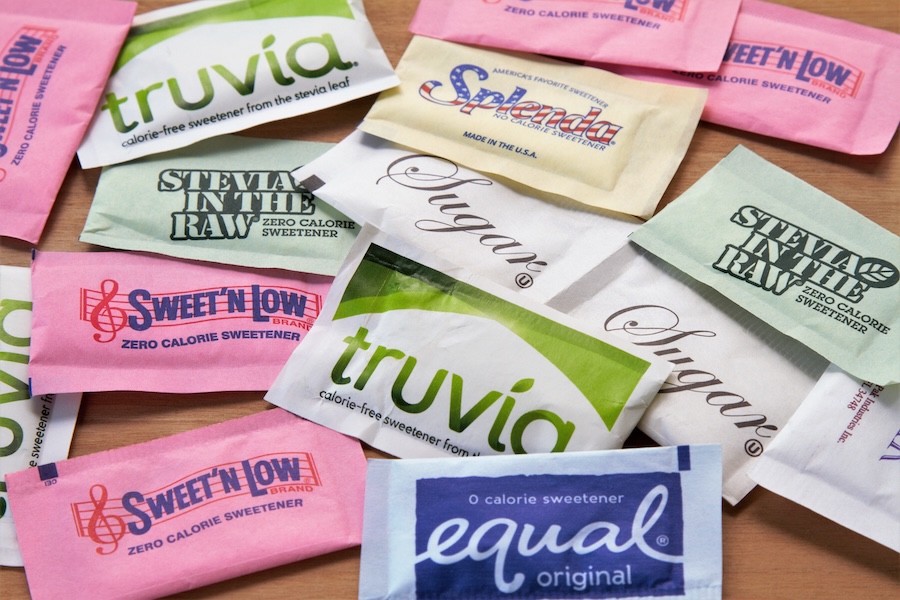
Most people already know sugar isn’t great for their teeth. That part’s not new. What’s less clear is what to use instead. Walk through any grocery store and you’ll see labels like sugar-free, no added sugar, or naturally sweetened—and it’s not always obvious what that actually means for your oral health.
If you’ve been trying to make better choices for your teeth (or your family’s), understanding how sugar alternatives and oral health connect can help you make decisions that actually hold up over time.
At Milltown Family Dentistry in Carrboro, NC, this is something we talk through often during routine visits, especially when patients are trying to reduce cavities without giving up everything they enjoy.
Sugar Alternatives and Oral Health: Why It Matters
Sugar feeds the bacteria in your mouth. As those bacteria break it down, they produce acid. That acid weakens enamel and increases the risk of cavities.
Sugar alternatives don’t all behave the same way. Some still contribute to that process, while others don’t feed bacteria in the same way—or at all.
That difference is what makes certain sweeteners a better choice for your teeth, especially when they’re part of your daily routine.
Which Sugar Alternatives Are Considered Tooth-Friendly?
There are a few sugar substitutes that are generally considered safer for teeth because they don’t contribute to acid production in the same way.
Some of the most common include:
- Xylitol – Found in sugar-free gum and mints, xylitol doesn’t feed cavity-causing bacteria and may even help reduce their levels over time
- Erythritol – Another sugar alcohol that has a similar benefit without contributing to decay
- Stevia – A plant-based sweetener that doesn’t appear to promote tooth decay
These options are often found in products labeled “sugar-free,” but it’s still worth checking ingredients since not all sugar-free products are created equal.
For patients working on reducing cavity risk, these alternatives can be part of a broader plan that includes regular cleanings and exams and consistent home care.
Are Natural Sugars Better for Your Teeth?
It’s easy to assume that natural sugars—like honey, agave, or maple syrup—are a better option. While they may be less processed, they still interact with your teeth in a similar way to regular sugar.
Bacteria don’t really distinguish between “natural” and “refined” sugar. They break both down and produce acid just the same.
So while these options may fit into a broader nutrition plan, they don’t offer a major advantage when it comes to cavity prevention.
What About Artificial Sweeteners?
Artificial sweeteners like aspartame, sucralose, and saccharin don’t feed oral bacteria the way sugar does, which means they don’t directly contribute to tooth decay.
From a dental perspective, they’re generally considered safe. However, they’re often found in beverages that are still acidic, like diet sodas.
That acidity can still affect enamel, even without sugar. So while the sweetener itself may not be the issue, the overall product still matters.
Drinks Matter More Than You Think
One of the biggest sources of sugar—and sugar alternatives—is what we drink.
Sodas, sports drinks, flavored waters, and even some “healthy” beverages can expose teeth to sugar or acid repeatedly throughout the day. Sipping slowly over time tends to have a bigger impact than finishing a drink quickly.
If you’re trying to protect your teeth, a few small changes can help:
- Limit how often you sip sweetened drinks
- Rinse with water afterward
- Choose water as your default between meals
These habits often come up during preventive care visits, since they play a big role in long-term oral health.
How Sugar Alternatives Fit Into Daily Habits
Switching to sugar alternatives can be helpful, but they work best as part of a bigger picture.
Daily brushing and flossing still matter. Regular visits help catch early signs of enamel wear or decay. And small habits—like how often you snack or sip drinks—can make a noticeable difference over time.
If you’re already dealing with sensitivity or early signs of cavities, it may be worth taking a closer look at both your diet and your oral hygiene routine. In some cases, we may recommend additional support like fluoride treatments to help strengthen enamel.
When to Take a Closer Look at Your Diet
If you’re noticing changes like increased sensitivity, frequent cavities, or areas that seem harder to keep clean, your diet may be playing a role.
This doesn’t mean cutting out everything you enjoy. It usually means making a few adjustments that are easier to stick with long-term.
During a visit, we can look at patterns—what you’re eating and drinking, how often, and how it’s affecting your teeth—and help you find a balance that works.
Sugar Alternatives and Oral Health in Carrboro, NC at Milltown Family Dentistry
At Milltown Family Dentistry in Carrboro, NC, Dr. Ben Lambeth and Dr. Megumi Lambeth work with patients to make oral health feel practical and manageable. Conversations about sugar, diet, and daily habits are part of that—not as strict rules, but as ways to keep small issues from building up over time.
If you’re thinking about how your diet may be affecting your teeth or want a better sense of what changes might help, you can call the office or schedule a visit to take a closer look and get a plan that fits your routine.
Contact Us