
Most people think of a dental visit as a time to check for cavities, clean the teeth, and talk about gum health. Those things matter, of course, but your dentist is also looking at the bigger picture. During an exam, the mouth can reveal changes that are not always painful, obvious, or easy to spot at home.
That is one reason oral and dental cancer screenings are an important part of routine dental care. The screening is usually quick, comfortable, and built into the normal exam process, but it gives your dental team a chance to look for unusual changes in the lips, tongue, gums, cheeks, throat area, and other soft tissues of the mouth.
At Milltown Family Dentistry in Carrboro, NC, Dr. Ben Lambeth and Dr. Megumi Lambeth include this kind of careful evaluation as part of helping patients stay informed and proactive about their oral health. Most screenings do not find anything concerning, but when something unusual is present, finding it early can make the next steps clearer and more manageable.
What an Oral and Dental Cancer Screening Is
An oral and dental cancer screening is a visual and physical check of the mouth and surrounding tissues. Your dentist is looking for changes that may need closer attention, such as sores that are not healing, red or white patches, lumps, thickened areas, unexplained bleeding, or tissue changes that look different from what is normally expected.
The screening does not mean your dentist assumes something is wrong. Instead, it is a routine part of a thorough dental exam. Just as your dentist checks your teeth for decay and your gums for inflammation, they also check the soft tissues for anything unusual.
Oral cancer can develop on the lips, tongue, cheeks, floor of the mouth, roof of the mouth, throat area, tonsils, or other nearby tissues. Because some early changes do not cause pain, a person may not notice them right away. That is why a trained set of eyes can be helpful during regular visits.
The goal of the screening is not to diagnose cancer on the spot. If your dentist sees something that looks concerning, they may recommend monitoring, a follow-up visit, additional testing, or referral to a specialist for further evaluation.
Why This Screening Matters Even If You Feel Fine
One of the reasons oral cancer screenings matter is that early changes can be subtle. A small sore, patch, or area of irritation may not hurt. It may also be located somewhere that is hard to see, such as the side of the tongue, the back of the mouth, or the floor of the mouth.
Because of that, feeling fine does not always tell the full story. Many people assume they would notice if something serious were happening, but the mouth can change quietly at first. Regular screenings give your dentist a chance to compare what they see from one visit to the next.
This is especially helpful because not every spot or sore is dangerous. Many mouth changes are caused by biting the cheek, irritation from dental appliances, spicy foods, canker sores, or temporary inflammation. However, if something does not heal as expected or looks unusual, it is better to check it than ignore it.
A screening adds a layer of prevention to your dental visit. It helps your dentist catch changes early, rule out common causes, and guide you toward the right next step if something needs follow-up.
What Your Dentist Looks For During the Screening
During an oral cancer screening, your dentist looks at the lips, inside of the cheeks, gums, tongue, floor of the mouth, roof of the mouth, and throat area. They may ask you to move your tongue or open wider so they can see areas that are easy to miss.
They are checking for color changes, texture changes, sores, swelling, lumps, or patches that do not look typical. Red patches, white patches, areas that bleed easily, or thickened tissue may need closer attention, especially if they have been present for more than two weeks.
Your dentist may also feel along the jaw, neck, and under the chin to check for lumps, tenderness, or enlarged lymph nodes. This part of the screening is usually brief and gentle, but it gives helpful information about the surrounding tissues.
At Milltown Family Dentistry, Dr. Ben Lambeth and Dr. Megumi Lambeth take a careful, practical approach. If something looks irritated but seems likely to be from a clear cause, they may recommend rechecking it after a short period. If a finding needs more evaluation, they will explain why and what comes next.
What the Screening Feels Like
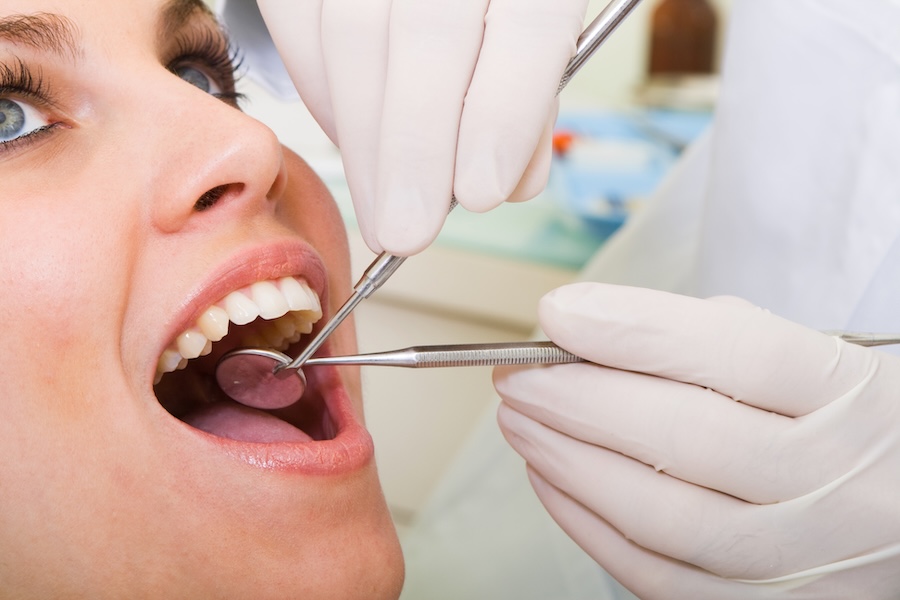
An oral and dental cancer screening is usually simple and comfortable. Most of it happens while you are already in the dental chair for your exam. Your dentist will look closely at different areas of your mouth using a light, mirror, and gloved hands.
You may feel gentle pressure as your dentist checks the tongue, cheeks, gums, or neck area. You may be asked to stick out your tongue, move it side to side, or say “ah” so the back of the mouth can be seen more clearly.
The screening does not usually involve needles, numbing, or discomfort. If you have a sore area, let your dentist know before they examine it so they can be careful and ask the right questions.
For most patients, the screening only takes a few minutes. Even though it is brief, it can provide useful information and help identify whether anything needs to be watched or evaluated further.
Symptoms You Should Mention Before or During the Exam
It helps to tell your dentist if you have noticed anything unusual, even if it seems minor. A sore that has not healed, a lump, a rough patch, numbness, unexplained bleeding, or a persistent sore throat can all be worth mentioning.
You should also bring up changes in how your bite feels, difficulty chewing, trouble swallowing, hoarseness, or a feeling that something is stuck in your throat. These symptoms can have many causes, and many are not related to cancer, but your dentist needs the full picture to evaluate them properly.
If you wear dentures, retainers, nightguards, or other appliances, mention any areas that rub or cause irritation. Chronic irritation can sometimes create sores or tissue changes that need to be checked and monitored.
A good rule is this: if something in your mouth has lasted longer than two weeks or keeps coming back in the same place, bring it up. You do not need to decide whether it is serious before asking about it.
Common Causes of Mouth Changes That Are Not Cancer
Not every sore or patch is a warning sign. The mouth is sensitive, and everyday things can cause irritation. Accidentally biting your cheek, eating sharp foods, brushing too aggressively, or wearing an appliance that rubs can all create sore spots.
Canker sores are another common cause of discomfort. They can be painful and annoying, but they are usually temporary. Burns from hot foods or drinks can also leave irritated tissue that needs time to heal.
Infections, dry mouth, tobacco use, alcohol use, certain medications, and immune system changes can also affect the soft tissues of the mouth. Sometimes a white coating on the tongue may be related to dry mouth or oral yeast overgrowth rather than cancer.
Still, it is worth checking anything that does not heal normally. The screening helps separate common irritation from changes that need more attention.
Risk Factors Your Dentist May Ask About
During your visit, your dentist may ask about risk factors that can affect oral cancer risk. Tobacco use is one of the biggest risk factors, including cigarettes, cigars, pipes, chewing tobacco, and vaping products. Alcohol use, especially heavy or frequent use, can also increase risk.
Human papillomavirus, often called HPV, is another risk factor linked to certain cancers in the throat and back of the mouth. Sun exposure can play a role in cancers of the lips, especially for people who spend a lot of time outdoors without lip protection.
Age, family history, immune system health, and a history of previous oral cancer may also be part of the conversation. These questions are not meant to judge or alarm you. They help your dentist understand what to watch for and how often screenings may be especially important.
Even if you do not have obvious risk factors, screenings still matter. Oral cancer can occur in people who have never smoked or used tobacco, so a routine check is valuable for everyone.
What Happens If Your Dentist Finds Something Unusual
If your dentist notices something unusual, it does not automatically mean cancer. Many findings turn out to be irritation, healing sores, infections, or tissue changes from a clear cause. However, your dentist will want to be careful if something looks suspicious or does not heal as expected.
In some cases, your dentist may recommend watching the area and rechecking it in a short period. This may happen if the spot looks like it could be from trauma, such as a cheek bite or irritation from a sharp edge.
If the area does not improve or has concerning features, your dentist may recommend additional testing or referral to an oral surgeon, ENT specialist, or other provider for further evaluation. A biopsy may be needed in some cases to find out exactly what the tissue is.
The important thing is that follow-up gives you answers. Ignoring a persistent sore or patch creates uncertainty, while checking it gives you a clear path forward.
How Often Should You Have an Oral Cancer Screening?
For many patients, an oral cancer screening is included during routine dental exams. Since most people see the dentist every six months for preventive care, that creates a regular opportunity to check for changes.
Some patients may need more frequent attention depending on their risk factors, dental history, or symptoms. If you use tobacco, drink heavily, have a history of oral cancer, have ongoing mouth sores, or notice changes between visits, your dentist may recommend closer monitoring.
It is also important to check your own mouth from time to time. You do not need to do a complicated self-exam, but paying attention while brushing or flossing can help you notice changes early. Look for sores, patches, lumps, swelling, bleeding, or areas that feel different than usual.
If something concerns you, do not wait for your next scheduled cleaning. Calling the office and asking whether it should be checked sooner is always reasonable.
How to Support a Healthy Mouth Between Screenings
Daily habits can help support a healthier mouth and reduce irritation. Brushing twice a day, flossing regularly, and keeping up with dental cleanings help lower bacteria levels and make it easier to notice changes.
Avoiding tobacco is one of the most important steps you can take for oral health. If you use tobacco and want to quit, your dental team can encourage you and point you toward resources. Limiting alcohol, staying hydrated, and protecting your lips from sun exposure can also help reduce certain risks.
If you wear dentures, retainers, aligners, or a nightguard, make sure they fit well and are cleaned regularly. An appliance that rubs in the same spot should be adjusted rather than tolerated.
Finally, pay attention to healing time. Most minor mouth irritations improve within a week or two. If an area lingers, worsens, or keeps returning, schedule an exam.
Oral and Dental Cancer Screening in Carrboro, NC at Milltown Family Dentistry
An oral and dental cancer screening is a small part of your dental visit, but it can provide important information about your overall oral health. It is quick, comfortable, and focused on finding changes that may not be easy to see or feel on your own.
At Milltown Family Dentistry in Carrboro, NC, Dr. Ben Lambeth and Dr. Megumi Lambeth include careful soft tissue evaluations as part of a thorough dental exam. Whether you are coming in for a routine visit or have noticed a sore, lump, patch, or change that concerns you, the team can take a look and explain what they see.
If it has been a while since your last dental exam, or if something in your mouth has not healed the way you expected, schedule a visit with Milltown Family Dentistry. A clear screening can give you useful answers and help you take the right next step.
FAQs
Does an oral cancer screening hurt? No, an oral cancer screening is usually comfortable. Your dentist looks inside your mouth and may gently feel your jaw, neck, and soft tissues. You may feel light pressure, but the screening should not be painful.
How long does an oral cancer screening take? Most screenings only take a few minutes and are often included as part of a regular dental exam. Even though the screening is quick, it allows your dentist to check areas that are hard to see at home.
What are signs I should ask my dentist about? Mention any sore that lasts longer than two weeks, red or white patches, lumps, thickened tissue, unexplained bleeding, numbness, hoarseness, or difficulty swallowing. Many of these symptoms have non-cancer causes, but they should still be checked.
Does a suspicious spot always mean cancer? No, many unusual spots are caused by irritation, cheek biting, canker sores, infections, or appliances that rub. If something looks concerning or does not heal, your dentist may recommend monitoring, testing, or referral for a closer evaluation.
Who needs oral cancer screenings? Everyone can benefit from routine oral cancer screenings. They are especially important for patients who use tobacco, drink heavily, have HPV-related risk factors, spend a lot of time in the sun, or have noticed changes in the mouth.
How often should I get screened for oral cancer? Many patients are screened during regular dental exams, often every six months. If you have higher risk factors or symptoms, your dentist may recommend checking more often.
Contact Us